In The Social Construction of Gender by Judith Lorber, one part that stood out to me is the idea of "Doing Gender." This idea that we are "Doing Gender" is a funny saying to something that I have found my subconscious doing regularly. After reading this passage, I noticed myself trying to categorize people. I am not sure if I do it because I am trying to make myself feel like I fit in or if the notion on gender categorisation is so engraved into my subconscious because of how I grew up. Do you think there is a way to change our subconscious thoughts? What if these subconscious thoughts cannot change/ do they need to be changed?
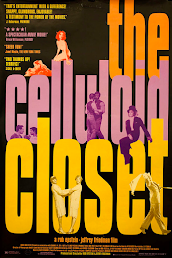
Throughout the history of film, the depiction of minority groups in media constantly fluctuates due to the majority's cultural and societal norms. A few examples that are depicted in The Celluloid Closet are: the “sissy,” a gay man who is made to be a joke; “Killer Lesbian,” who invokes harm and pain because she isn’t sexually free; and the “tragic lovers,” where one on them inevitably dies off because they are gay. In my life experiences, I have seen certain movies and television shows change their depiction of the LGBTQ community from types and tropes that were in The Celluloid Closet into ones of optimism and inclusivity. "Sissy" "Killer Lesbian" "Tragic Lover" Mitch Growing up, I watched many Disney Channel shows that were supposed to teach children big life lessons, but there were never any queer characters. Partially due to Disney's lack of queer characters, it didn't depict the queer community, it wasn’t until mu...
Strict Scrutiny and Marriage Laws (1542) Marriage, in the traditional sense, is a legal union between one man and one woman, which the government presumes will lead to the growth of the population and preserve the image of America (Eskridge 801). The stereotypical image of family in America rooted in society through social norms is the picture of a suburban house with a white picket fence, a father, a mother, and two children. American laws for a long time were written to reflect the picture of a ‘perfect’ family if and only if you met the right traits, a white heterosexual. By looking at marriage laws, you can see that they have often been used as a legal tool to bolster the white, heterosexual social order based on gaining the benefits of marriage including, but not limited to, social security rights, health care, housing, medical, and employment (Cott 78). U.S. courts claim to ensure rights to citizens using three distinct levels of scrutiny: rational basis,...


Comments
Post a Comment